
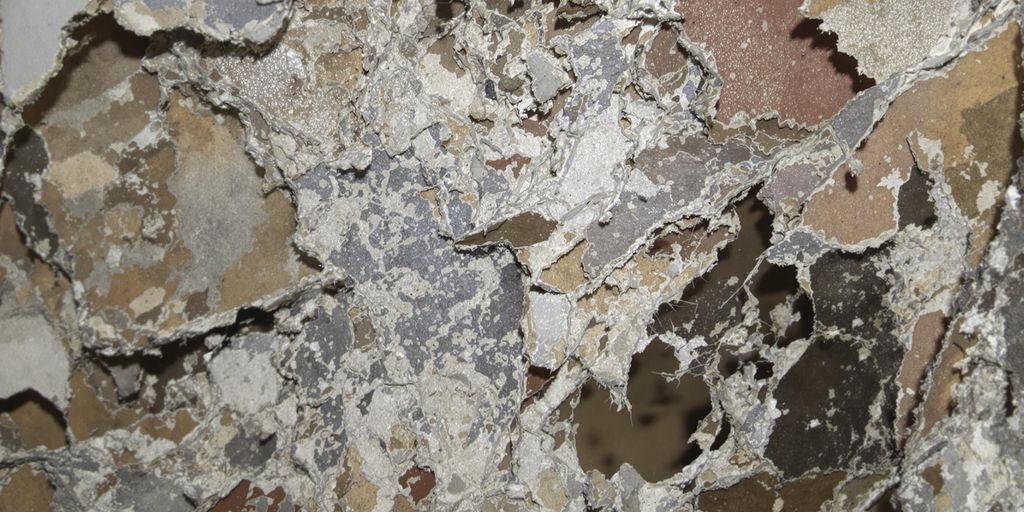
Dangers of Asbestos and Lead Paint
Health Risks Associated with Asbestos
Asbestos exposure is a major health concern, particularly in older homes and buildings. When asbestos-containing materials are disturbed, tiny fibers can become airborne. Once inhaled, these fibers can lodge in the lungs, causing severe health issues over time. Diseases like mesothelioma, asbestosis, and lung cancer are directly linked to asbestos exposure. Even brief exposure can be harmful, making it critical to identify and manage asbestos properly in any home improvement or demolition project.
Health Risks Associated with Lead Paint
Lead paint, commonly found in homes built before 1978, poses a significant risk, especially to children. When lead-based paint deteriorates, it creates dust or chips that can be ingested or inhaled. This exposure can lead to developmental delays, learning difficulties, and even organ damage. Adults are not immune either; prolonged exposure can result in high blood pressure, kidney damage, and reproductive issues. Lead-based paint hazards are particularly concerning in areas like window frames or doorways, where friction can generate harmful lead dust.
Why These Hazards Are Often Overlooked
Both asbestos and lead paint hazards are frequently underestimated. For one, these materials are often hidden—lead paint may lie beneath newer layers of paint, and asbestos is typically embedded in insulation, flooring, or roofing materials. Additionally, many homeowners are unaware of the risks or assume that these dangers only apply to visibly damaged materials. Unfortunately, even minor renovations or repairs can disturb these substances, releasing harmful particles into the air or environment. Awareness and proactive testing are key to addressing these hidden threats effectively.
Historical Use of Asbestos and Lead Paint in Homes
The Popularity of Lead Paint in Mid-Century Homes
Lead paint wasn’t just common in mid-century homes—it was practically celebrated. Its durability and vibrant finish made it a go-to choice for decades. Homeowners loved it because it dried quickly and offered a glossy, long-lasting coat. But what many didn’t realize was the hidden danger lurking in those heavy cans of paint. Lead was marketed as a premium ingredient, and its weight was even touted as a sign of quality. However, this “quality” came at a cost—lead exposure posed serious health risks, especially to children.
Asbestos in Construction Materials
Asbestos became a staple in home construction materials starting in the late 19th century. It was prized for its fire resistance, insulation properties, and affordability. From pipe insulation to ceiling tiles, asbestos was everywhere. Common products included:
- Flooring adhesives
- Roofing shingles
- Drywall compounds
Unfortunately, the very fibers that made asbestos so effective also made it dangerous. When disturbed, these fibers could become airborne and enter the lungs, leading to serious health issues over time.
How Regulations Have Evolved Over Time
The dangers of lead paint and asbestos weren’t fully acknowledged until the mid-20th century. By 1978, lead paint was banned in residential applications, but by then, it had already been used in millions of homes. Similarly, asbestos regulations began tightening in the 1970s, but its use persisted in some products for years. These regulatory changes marked a turning point, but the legacy of these materials still lingers in older homes today.
Health Impacts of Lead Paint Exposure
Effects on Children’s Development
Children are especially vulnerable to lead exposure, as their developing bodies absorb lead more easily than adults. Even low levels of lead in the bloodstream can have significant consequences. Lead exposure in children is linked to reduced IQ, learning difficulties, and behavioral problems. It can also affect their ability to concentrate and perform well in school. In severe cases, high lead levels can cause seizures, coma, or even death. Lead dust, often generated from old, peeling paint, is a common source of exposure. Old paint that cracks and peels can settle on surfaces, making it easy for children to ingest lead through hand-to-mouth activity.
Risks to Adults from Lead Exposure
While children face the most severe risks, lead exposure is harmful to adults as well. Chronic exposure can lead to high blood pressure, kidney damage, and nerve disorders. Adults may also experience symptoms like muscle and joint pain, memory problems, and difficulty concentrating. For pregnant women, lead exposure is particularly dangerous, as it increases the risk of miscarriage, preterm delivery, and developmental issues in the fetus. Lead exposure can also cause reproductive problems in both men and women, further emphasizing the need for caution.
Long-Term Consequences of Lead Poisoning
The effects of lead poisoning can linger for years, even after exposure has ceased. Lead accumulates in the body over time, primarily in bones and teeth, and can be released back into the bloodstream during periods of stress or aging. This can lead to ongoing health issues, such as anemia, cognitive decline, and chronic pain. Moreover, the psychological and emotional toll of dealing with lead-related health problems can be significant, affecting not only the individual but also their family and community. Recognizing the long-term risks underscores the importance of addressing lead hazards promptly and effectively.
The Hidden Threat of Asbestos in Older Buildings
Common Places Asbestos is Found
Asbestos was widely used in construction materials before the 1980s, and older buildings often hide this hazardous material in plain sight. Common locations include:
- Insulation around pipes and boilers
- Ceiling tiles and textured coatings
- Flooring adhesives and vinyl tiles
- Roofing shingles and siding materials
It’s important to remember that asbestos-containing materials (ACMs) can remain in homes undisturbed for decades. However, renovations or damage can release harmful fibers into the air, turning these hidden materials into a serious health risk.
How Asbestos Fibers Enter the Body
When asbestos-containing materials are disturbed, tiny fibers are released into the air. These fibers can be inhaled or swallowed, entering the lungs or digestive system. Once inside the body, they can lodge in tissues and remain there for years, causing inflammation and scarring. Over time, this can lead to severe health issues, including mesothelioma, lung cancer, and asbestosis. The danger lies in the fact that asbestos exposure is often invisible, as the fibers are microscopic and cannot be detected without specialized equipment.
Diseases Linked to Asbestos Exposure
Exposure to asbestos fibers is linked to several life-threatening diseases. The most well-known is mesothelioma, a rare and aggressive cancer that affects the lining of the lungs, abdomen, or heart. Other conditions include:
- Lung cancer, which is significantly more common among those exposed to asbestos
- Asbestosis, a chronic lung disease caused by the scarring of lung tissue
- Pleural plaques, which are thickened areas on the lining of the lungs (considered a precursor to more severe conditions)
Given these risks, identifying and managing asbestos in older buildings is essential. Experts conduct inspections to locate and assess asbestos, ensuring that homeowners can make informed decisions about removal or containment.
Identifying Lead Paint and Asbestos in Your Home
Signs of Lead Paint Presence
Discovering lead paint in your home can be tricky, but there are a few telltale signs to watch for. Homes built before 1978 are more likely to have lead-based paint. Peeling or chipping paint, especially on older surfaces like window sashes or door frames, is a common indicator. Additionally, areas where painted surfaces rub together—like double-hung windows—might produce lead dust. If you suspect the presence of lead paint, a home lead test kit can offer a quick first check. For a more thorough examination, consider an inspection by a certified professional who can pinpoint the location and risks of lead-based paint.
Testing for Asbestos in Building Materials
Asbestos is often hidden in plain sight, especially in homes built before the 1980s. Common materials that might contain asbestos include insulation, ceiling tiles, and old flooring. If you’re planning renovations, it’s essential to test these materials before disturbing them. DIY asbestos test kits are available, but they can be risky if not handled correctly. Hiring a professional testing service ensures accuracy and minimizes exposure to harmful fibers. Remember, asbestos becomes dangerous when it’s disturbed and fibers are released into the air.
When to Call a Professional
Both lead paint and asbestos pose serious health risks if mishandled. If you find signs of lead paint or suspect asbestos in your home, it’s best to leave the testing and removal to certified experts. Professionals not only have the proper tools and training but also follow strict safety protocols to protect your household. Attempting to DIY these hazards can lead to contamination and health issues. When in doubt, always consult with a licensed contractor to ensure your home remains a safe environment.
Safe Practices for Handling Lead Paint
Precautions During Renovation
When dealing with lead-based paint, safety should always come first. Lead dust from deteriorating paint poses a significant risk, especially to children. Before starting any project, isolate the work area to prevent the spread of hazardous dust. Use plastic sheeting to cover floors and furniture, and seal off doorways and vents. Keep children and pets away from the renovation site until the cleanup is complete.
Avoid methods that create excessive dust or fumes, such as open-flame burning, dry sanding, or high-temperature heat guns. Instead, opt for wet methods like misting surfaces before scraping. This helps to keep lead particles from becoming airborne. Always wear protective gear, including a respirator, gloves, and disposable coveralls, to minimize exposure.
Proper Disposal of Lead Paint Debris
Disposing of lead-contaminated materials requires careful attention. Place all paint chips, dust, and debris into heavy-duty, sealed bags. Contact your local waste management department to learn about disposal guidelines for hazardous materials. Never throw lead paint debris into regular trash bins, as this can contaminate the environment.
Use a HEPA vacuum to clean up dust from hard surfaces, followed by a thorough wet cleaning with a lead-specific detergent. This ensures that even microscopic particles are removed. Avoid using regular household vacuums, as they can spread lead dust further.
Protecting Children and Pets
Children and pets are particularly vulnerable to lead exposure. Keep them away from work areas and ensure they do not come into contact with contaminated surfaces. Wash your hands, face, and clothing immediately after working with lead-based paint. Launder work clothes separately to prevent cross-contamination.
For added safety, conduct a final inspection of the area after cleanup. Look for any remaining dust or debris, and test the surfaces if necessary. By taking these precautions, you can significantly reduce the risks associated with lead paint exposure during renovations.
Managing Asbestos Safely During Renovations
Steps to Minimize Asbestos Disturbance
When dealing with asbestos during renovations, the goal is to avoid disturbing materials that could release fibers into the air. Asbestos-containing materials (ACMs) that are intact should be left undisturbed whenever possible. If work must be done, follow these steps:
- Seal off the work area with plastic sheeting to prevent fibers from spreading.
- Turn off HVAC systems to avoid circulating asbestos particles.
- Use tools and methods that minimize dust, such as wetting materials before cutting or drilling.
Hiring Certified Asbestos Abatement Professionals
Handling asbestos is not a DIY job. It’s essential to hire professionals who are licensed and trained in asbestos removal. A licensed asbestos surveyor can assess your home, collect samples, and recommend the safest course of action. Certified abatement teams follow strict safety protocols, ensuring that exposure risks are minimized for everyone involved.
Legal Requirements for Asbestos Removal
Federal and local laws regulate how asbestos should be handled. The EPA has specific guidelines for the safe removal and disposal of ACMs. Familiarize yourself with asbestos-related laws to ensure compliance. These regulations often require:
- Proper notification to local authorities before starting work.
- Disposal of asbestos waste in approved facilities.
- Documentation of the removal process for future reference.
Environmental and Community Impacts of These Hazards
Lead Contamination in Soil and Water
Lead paint doesn’t just stay confined to walls or window sills. Over time, as paint chips or turns into dust, it can settle in the soil around homes. This is especially common near older buildings. Once in the soil, lead can stick around for decades, creating a long-term hazard for anyone gardening, playing, or even walking on contaminated ground. Water contamination is another issue. Lead pipes or solder used in plumbing systems can leach lead into drinking water, particularly when the water is acidic or sits in the pipes for extended periods. Even small amounts of lead in water can have serious health consequences.
Asbestos Waste and Its Disposal Challenges
Disposing of asbestos is no small feat. Once asbestos-containing materials are disturbed, they release tiny fibers into the air. These fibers can settle on surfaces or mix with dust, and improper disposal can turn them into a widespread environmental hazard. Dumping asbestos waste in regular landfills is not allowed; it requires special facilities designed to handle hazardous materials. The process is expensive and tightly regulated, but it’s necessary to prevent contamination of air, soil, and nearby communities. Improper handling can lead to fines and even more significant environmental risks.
Advocating for Safer Housing Policies
Communities often bear the brunt of these hazards, especially in older neighborhoods with limited resources for remediation. Advocacy groups and local governments play a critical role in pushing for stricter housing policies. This includes funding for lead and asbestos removal programs, enforcing safety regulations, and educating homeowners about the dangers. Public awareness campaigns can also help communities recognize the risks and take action, whether it’s testing for lead or hiring certified professionals for asbestos abatement. Collective efforts can make a big difference in reducing exposure and fostering safer living environments for everyone.
The Role of Government and Organizations in Mitigating Risks
EPA Guidelines on Lead and Asbestos
The Environmental Protection Agency (EPA) plays a critical role in setting standards to limit exposure to hazardous materials like lead and asbestos. Through regulations such as the Lead Renovation, Repair, and Painting (RRP) Rule, the agency ensures that contractors follow safe practices when working on older homes. Similarly, asbestos abatement guidelines focus on minimizing airborne fibers during renovations. These rules are designed to protect not only workers but also families living in affected homes. However, enforcement remains a challenge, especially in areas with limited resources.
Community Programs for Hazard Remediation
Local and national organizations often step in where government efforts fall short. Community-based programs provide services like lead inspections and risk assessments, which are essential for identifying hazards in homes. Many of these programs also offer educational workshops to inform homeowners about the dangers of lead and asbestos. Additionally, nonprofit groups sometimes collaborate with local governments to fund remediation projects, focusing on low-income families who are disproportionately affected by these hazards.
Funding and Grants for Safe Housing
Government grants and funding initiatives are another avenue to address these risks. Programs like HUD’s Lead Hazard Control Grant Program provide financial assistance to homeowners for lead paint removal. Similarly, funds are allocated for asbestos abatement in schools and public buildings. While these initiatives are a step in the right direction, the demand often exceeds the available resources. Advocacy for increased funding remains crucial to expand access to these essential services. Furthermore, the Army’s toxics management program highlights the importance of addressing multiple hazards, including asbestos and lead, in institutional settings.
Preventive Measures for Homeowners
Regular Home Inspections
One of the smartest steps a homeowner can take is scheduling regular inspections. Older homes, in particular, may hide dangers like lead paint or asbestos in unexpected places. A professional inspection can uncover these risks early, saving you from costly repairs or health issues down the line. Keep an eye out for peeling or chipped paint, especially in homes built before the 1970s, as this could indicate the presence of lead. For asbestos, pay attention to aging insulation, ceiling tiles, or flooring materials that may contain this hazardous substance.
Using Lead-Free and Asbestos-Free Materials
When renovating or upgrading your home, always choose materials that are certified as lead-free or asbestos-free. Modern paints and building materials are designed to be safer for families. If you’re unsure, ask your contractor to verify the safety of the products being used. This small step can go a long way in preventing exposure to harmful substances. It’s also a good idea to replace older materials that may pose a risk, like outdated pipes or insulation.
Educating Families About Potential Risks
Awareness is key. Talk to your family about the dangers of lead and asbestos, especially if you live in an older home. Teach children to avoid picking at peeling paint or playing in areas where dust accumulates. Adults should also take precautions, like washing hands after working in areas that might contain hazardous materials. By staying informed, you can make safer choices and reduce the risks for everyone in the household.
The Importance of Professional Remediation
Why DIY Solutions Can Be Dangerous
Handling lead paint or asbestos without professional help can seem cost-effective, but it often introduces more risks than benefits. Exposure to lead dust or asbestos fibers can have severe health consequences, including respiratory issues and developmental problems in children. DIY methods may inadvertently release these hazardous materials into the air, increasing the danger to everyone in the home. For instance, improper scraping or sanding of lead paint can spread toxic particles, while disturbing asbestos can release harmful fibers that are difficult to detect.
How to Choose a Qualified Contractor
Selecting the right professional for remediation is crucial. Homeowners should look for licensed and certified contractors who specialize in hazardous material removal. Key points to consider include:
- Certification: Ensure they are certified by relevant authorities, such as the EPA for lead paint or state-specific asbestos removal certifications.
- Experience: Ask about their experience with similar projects, especially in older homes where these materials are common.
- Safety Measures: Verify that they follow strict safety protocols, such as containment zones and the use of HEPA filters.
These steps can help ensure the job is done safely and effectively, minimizing risks for everyone involved.
Costs and Benefits of Professional Services
While hiring professionals might seem expensive upfront, it’s an investment in safety and peace of mind. Professionals not only ensure compliance with regulations but also handle the proper disposal of hazardous waste. This eliminates the risk of fines or penalties for improper handling. Additionally, professional remediation can increase property value by addressing these hazards thoroughly and safely.
For situations involving asbestos, regular asbestos inspections and proper handling are essential for maintaining a safe environment. Similarly, safe asbestos removal is critical for protecting both workers and residents, especially during renovations in older buildings.