
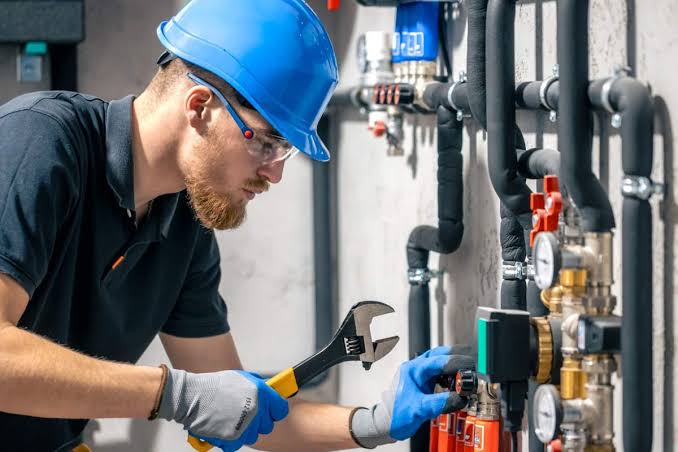
Plumbing Infrastructure Challenges That Can Disrupt Business Operations
Even with top-notch staff, effective management, and cutting-edge technology, a single plumbing issue may disrupt a company’s regular operations. Sanitation, cleaning, food preparation, and temperature control are all made possible by plumbing infrastructure. The repercussions of these systems malfunctioning go beyond the cost of repairs. Employee absences, unhappy customers, damaged merchandise, and unforeseen operating delays are all possible problems for businesses.
Commercial buildings, in contrast to residential ones, often use water continuously and put more strain on plumbing parts. Business owners may find infrastructure flaws before they become major operating issues by working with a skilled Commercial Plumber Houston. Maintaining a safe, effective, and productive workplace requires an understanding of typical plumbing issues.
Unexpected Failures And Aging Plumbing Infrastructure
Because of frequent use, mineral buildup, corrosion, and fluctuating water pressure, commercial plumbing systems progressively degrade. Weak connections may ultimately result in leaks, and older pipes may have internal constraints that limit water flow.
One problem is that degradation often takes place within mechanical rooms, under floors, or behind walls. Until water stains, strange sounds, or decreasing pressure become apparent, business owners may not be aware of a growing issue.
Frequent evaluations of the infrastructure assist in identifying weak points and determining if specific repairs or partial replacements are required. The usable life of current plumbing systems may be increased, and costly interruptions can be avoided by methodically addressing old infrastructure.
Issues With Drainage That Impact Workplace Efficiency
In business settings, blocked drainage systems may pose serious problems. Diverse kinds of wastewater are produced by restaurants, manufacturing facilities, office buildings, and retail enterprises, which puts diverse demands on drainage systems.
Improper disposal techniques, foreign contaminants, silt deposits, and grease buildup may all progressively limit the flow of wastewater. Sinks may empty slowly, foul smells may appear, and wastewater may ultimately back up into inhabited spaces when drainage capacity is reduced.
These circumstances may disrupt regular activity and raise hygienic issues. Establishing proper waste disposal protocols, maintaining grease management equipment when necessary, and scheduling expert drain inspections based on real consumption patterns are all important for businesses.
Variations In Water Pressure And Equipment Performance
For everyday labor tasks and commercial equipment, consistent water pressure is crucial. Dishwashing systems, bathroom fixtures, cleaning supplies, and other water-dependent activities may all be impacted by unforeseen variations.
Undersized supply lines, blocked fittings, concealed leaks, and broken pressure regulators may all cause low pressure. Overly high pressure may put connected appliances, connections, and valves under needless strain.
A skilled Commercial Plumber Houston can assess pressure abnormalities and determine if the issue is from an external supply issue or inside the facility. Maintaining consistent operational performance and protecting equipment are two benefits of correcting these issues.
Structural Damage And Undiscovered Water Leaks
Not all business plumbing issues result in obvious floods. Small leaks might go unnoticed for a long time, especially in structures with complex pipe systems.
Moisture buildup within wall cavities or under floors may harm building materials, promote the development of mold, and interfere with electrical systems. Even a small amount of water exposure in storage facilities might jeopardize important merchandise, paperwork, or packaging.
Unexpected rises in water use may be a sign of a concealed leak. Businesses may identify issues before significant damage happens by keeping an eye on utility records, examining moisture-prone places, and using suitable leak detection techniques.
Capacity Of Plumbing Systems And Business Growth
Plumbing issues that were not foreseen during a building’s initial design may arise when a business expands. Demand may surpass the capacity of the current system due to more personnel, increased manufacturing activities, new facilities, or specialized equipment.
When many fixtures run at once, a plumbing network built for low occupancy may have trouble. Recurring operational issues might be caused by inadequate hot water supply or drainage capacity.
Businesses should assess supply lines, drainage capacity, fixture needs, and equipment specifications before remodeling or expanding a commercial facility. After construction is finished, costly alterations may be avoided by planning infrastructure upgrades in tandem with operating changes.
Conclusion
Workplace safety, equipment dependability, and company continuity are all directly impacted by commercial plumbing infrastructure. Disruptions that go much beyond the plumbing system itself may be caused by aging pipes, drainage limitations, pressure swings, concealed leaks, and insufficient system capacity.
Companies are better positioned to prevent unforeseen disruptions if they emphasize regular inspections, infrastructure planning, and prompt repairs. Making an investment in plumbing dependability goes beyond basic house upkeep. It is crucial for maintaining productivity, managing operating costs, and fostering long-term company growth.