
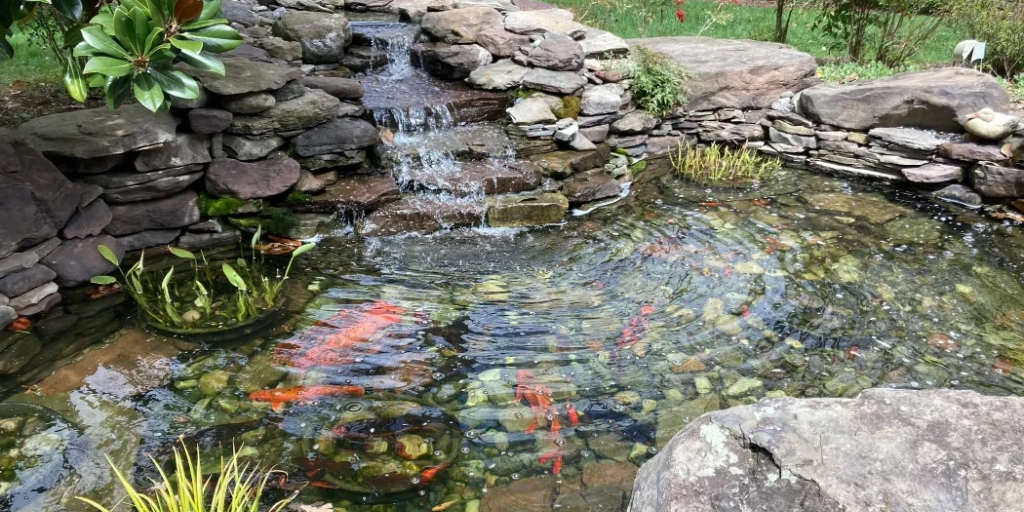
Koi Pond Filtration Systems: Which One Is Best?
When people imagine a beautiful koi pond, they often focus on the vibrant fish, crystal-clear water, and attractive landscaping. However, the true…
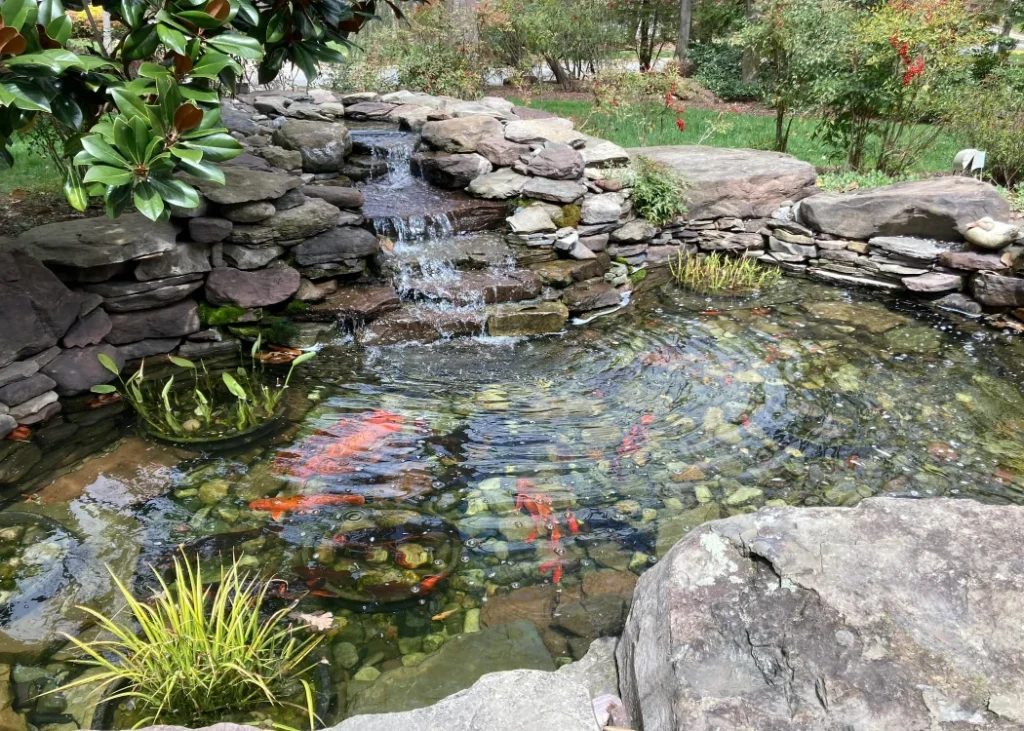
When people imagine a beautiful koi pond, they often focus on the vibrant fish, crystal-clear water, and attractive landscaping. However, the true foundation of a healthy pond lies beneath the surface: the filtration system.
A well-designed koi pond filtration system works continuously to maintain water quality, support fish health, and keep the pond ecosystem balanced. Without proper filtration, even the most visually appealing pond can quickly become cloudy, unhealthy, and difficult to maintain.
So, what is the best filtration system for a koi pond? Understanding the different types of filtration and how they work together is the key to creating a clean, healthy, and thriving pond environment.
The Role of Filtration in a Koi Pond
Koi fish produce a significant amount of waste, and ponds naturally accumulate leaves, uneaten food, algae, and organic debris. Without an effective filtration system, these materials can negatively impact water quality and create an unhealthy environment for fish.
A properly designed koi pond filtration system helps remove solid waste, support beneficial bacteria, maintain stable water conditions, improve water clarity, and reduce stress on fish.
When filtration is inadequate, the pond ecosystem can quickly become unbalanced. Water clarity decreases, harmful toxins may accumulate, and koi are forced to live in conditions that can compromise their long-term health and growth.
Types of Koi Pond Filtration Systems
Most successful koi ponds rely on multiple layers of filtration working together to keep water clean, balanced, and chemically stable. Each filtration component serves a specific purpose, and removing one layer can significantly affect overall water quality.
Understanding the primary types of pond filtration can help you choose the best setup for your pond.
Mechanical Filtration
Mechanical filtration is the first line of defense against water quality problems. Its primary role is to remove visible debris before it has the opportunity to break down and contaminate the pond.
Common materials captured through mechanical filtration include leaves, fish waste, dirt, and uneaten fish food.
Equipment such as skimmers, sieve filters, settlement chambers, and filter pads are commonly used to remove these solids from the water.
The importance of mechanical filtration lies in prevention. As organic debris decomposes, it releases ammonia and other harmful compounds that can quickly destabilize pond conditions. By removing waste before decomposition begins, mechanical filtration helps maintain cleaner water and reduces strain on biological filtration systems.
Think of mechanical filtration as proactive maintenance rather than reactive cleanup.
Biological Filtration
While mechanical filtration removes visible waste, biological filtration addresses the invisible threats that can harm fish health.
Biological filtration relies on beneficial bacteria that colonize filter media. These bacteria naturally convert toxic ammonia and nitrite into less harmful substances through the nitrogen cycle, helping maintain a safe aquatic environment.
Without sufficient biological filtration, harmful toxin levels can rise rapidly, even when pond water appears clean and clear.
Popular biological filtration systems include moving bed filters, bead filters, biological chambers, and waterfall biofilters. These systems provide extensive surface areas where beneficial bacteria can grow and thrive.
Mechanical filtration supports water clarity, while biological filtration supports water quality and fish health. Both play equally important roles in a successful koi pond filtration design.
UV Clarifiers
Green water caused by suspended algae is one of the most common concerns among koi pond owners. UV clarifiers are specifically designed to address this issue.
As water passes through the UV unit, ultraviolet light disrupts free-floating algae cells, preventing them from reproducing and significantly improving water clarity.
However, it is important to understand that UV clarifiers are not a replacement for proper filtration. While they effectively control suspended algae, they do not remove debris, waste, or harmful toxins from the water.
UV clarification should be viewed as a complementary component of a complete koi pond filtration system rather than a standalone solution.
When combined with mechanical and biological filtration, UV clarifiers can help create consistently clear and visually appealing pond water.
Choosing the Best Filtration for Your Koi Pond
The best koi pond filtration system is not necessarily the most expensive one. Instead, it is the system that is properly matched to the pond’s size, fish population, and long-term requirements.
Many filtration problems occur because systems are undersized or because pond owners fail to account for future koi growth. Koi can grow significantly larger than expected, increasing both waste production and filtration demands.
When selecting a filtration system, factors such as pond volume, fish stocking levels, water circulation, maintenance requirements, and future expansion should all be considered.
Pro Tip: Slightly oversizing your filtration system is often a smart investment. Extra filtration capacity helps maintain stable water quality, supports future fish growth, and reduces the need for costly upgrades later.
Koi Pond Filtration Design Tips
An effective koi pond begins with thoughtful filtration planning. Proper design ensures the filtration system operates efficiently while supporting long-term pond health.
Prioritize Water Circulation
Consistent water movement improves oxygen levels, distributes nutrients evenly, and helps prevent debris from accumulating in stagnant areas. Good circulation also enhances the effectiveness of filtration equipment.
Simplify Maintenance
Even the best filtration system requires routine cleaning and inspection. Filters that are easily accessible are more likely to be maintained regularly, helping preserve optimal performance throughout the year.
Plan for Future Fish Growth
Young koi can grow rapidly under proper conditions. Designing a filtration system that can accommodate larger fish populations helps prevent future water quality issues and costly system modifications.
Blend Filtration with Landscape Design
A well-designed pond incorporates filtration equipment in a way that supports functionality without disrupting the natural beauty of the landscape. Hidden or integrated filtration systems can maintain both performance and aesthetics.
Build a Pond That Supports Long-Term Health
Filtration should never be treated as an afterthought in koi pond construction. It serves as the foundation for clear water, healthy fish, and a balanced ecosystem.
A properly designed koi pond filtration system improves water quality, supports beneficial bacteria, enhances circulation, and creates a healthier environment for koi to thrive year after year.
Whether you are building a new pond or upgrading an existing one, investing in the right filtration solution can significantly improve the appearance, stability, and long-term success of your pond. By combining mechanical filtration, biological filtration, and UV clarification, you can create a cleaner, healthier, and more enjoyable koi pond for years to come.